Join the Pittsburgh Chapter of the A. Philip Randolph Institute for an evening of inspiration and celebration saluting The Power of Partnerships. This year's theme honors the collective strength that moves our mission forward—when labor leaders, community advocates, elected officials, and corporate partners work together to expand opportunity and advance economic justice throughout our region.
The evening will highlight the impact of Pittsburgh APRI's workforce development initiatives, including the Breaking the Chains Pre-Apprenticeship Program, and recognize outstanding leaders whose commitment to workforce development, labor, and community advancement embodies the values of APRI:
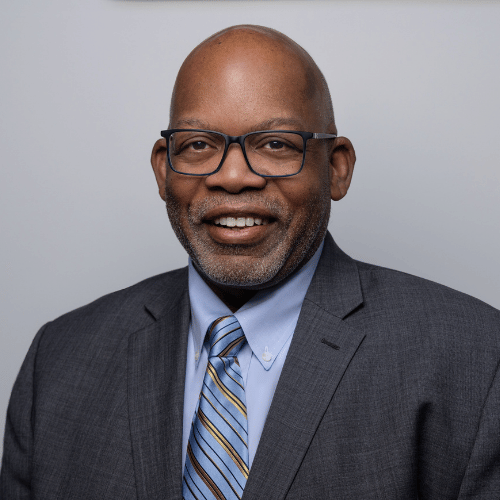
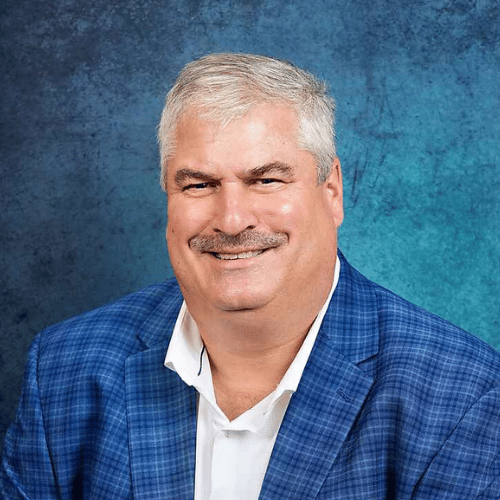
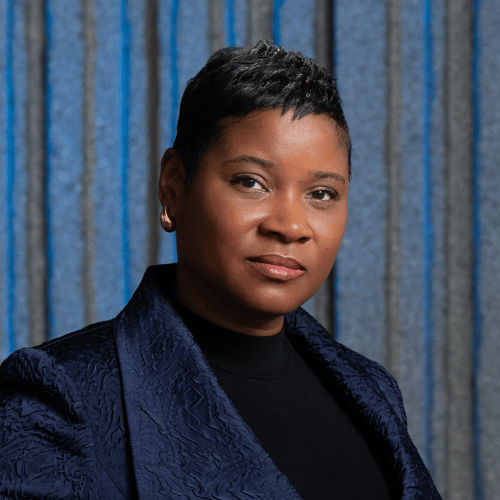
See details about each award below.
Hosted by Richard Fitzgerald, Executive Director, Southwestern Pennsylvania Commission.
Musical guest Dwayne Dolphin Trio.
Friday, September 25, 2026 | 5:30 PM
Individual tickets are $100. Sponsorship opportunities are available from $1,000 Patron Sponsor to $25,000 Presenting Sponsor.
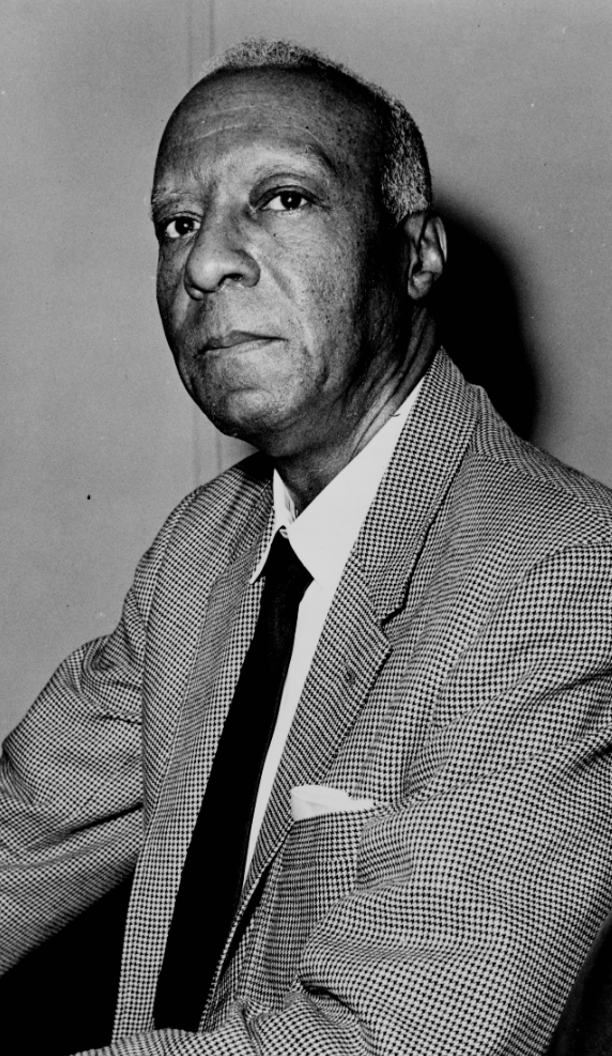
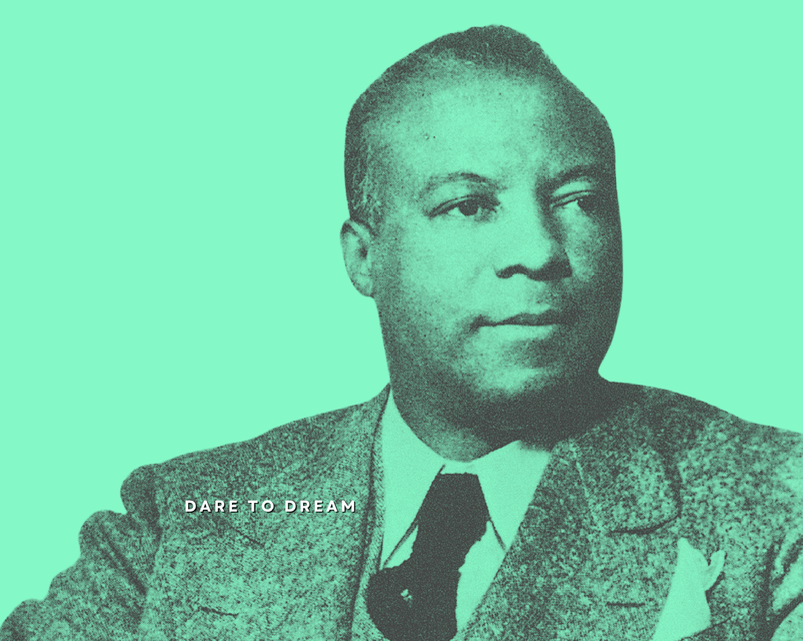
Asa Philip Randolph dedicated his life to working for full human rights for African American a n d disenfranchised workers. Born April 15, 1889, Mr. Randolph was a legendary leader in the Civil Rights and American labor movements.
At the young age of 35, M.r Randolph organized the first African American labor union, the Brotherhood of Sleeping Car Porters. In response to his impetus to form the first March on Washington in protest of discriminatory practices in the defense industry, President Roosevelt signed Executive Order 8802 in 1941, banning discrimination in the defense industries. He went on to persuade President Harry Truman to issue Executive Order 9981 in 1948, ending segregation in the armed services.
An indispensable catalyst for the 1963 March on Washington, M.r Randolph inspired the economic planks of Rev Dr. Martin Luther King's advocacy platform with his "Freedom Budget," a comprehensive proposal for redress of economic problems facing the black community.
The A. Philip Randolph Institute's mission statement derives directly from Mr. Randolph's philosophy that the black community should resolve problems in collaboration with the overall labor movement. Thus, the mission includes encouragement of black involvement in unions and direct collaboration with the labor movement on key socio-political issues such as employment, education, healthcare, and housing. In 1964, Mr. Randolph was awarded the Presidential Medal of Freedom from President Lyndon B. Johnson; he was awarded the Pacem in Terris Peace and Freedom Award in 1967, the American Humanist of the Year Award in 1970 by the American Humanist Association, and the Eugene V. Debs Award in 1967. In recognition of his Florida birthplace, he was named to the Florida Civil Rights Hall of Fame in 2014. Mr. Randolph died in Manhattan on May 16, 1979.
The A. Philip Randolph Award is given to an individual with an extraordinary, demonstrable legacy of dedication to workplace equality and commitment to better economic standards for minorities and underserved populations.
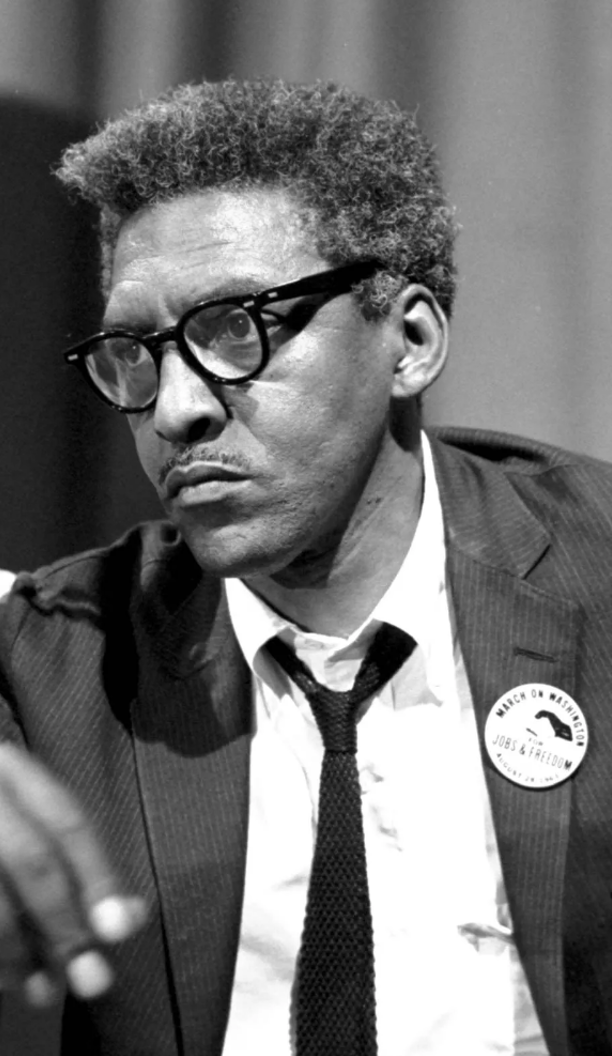
Bayard Rustin (March 17, 1912 - August 24, 1987) was born in Pennsylvania to parents active in civil rights work. He grew into his birthright, becoming synonymous with the American social movements for civil rights, socialism, nonviolence, and gay rights.
As a leader in the early Civil Rights Movement, Mr. Rustin helped initiate a 1947 Freedom Ride to challenge racial segregation in interstate busing. As a colleague of Rev. Dr. Martin Luther King, Jr., Mr. Rustin was instrumental in organizing the Southern Christian Leadership and became a leading strategist of the Civil Rights Movement from 1955 to 1968. In collaboration with Asa Philip Randolph, he was the chief organizer of the 1963 March on Washington for Jobs and Freedom.
Mr. Rustin is chiefly recognized for his dedication to and laser-like focus on addressing economic issues for the working-class and African Americans. With Mr. Rustin at the helm of the A. Philip Randolph Institute, the national APl advanced its agenda of economic justice through its "A Freedom Budget for Al" program.
Mr. Rustin's work was not limited to the labor and civil rights sphere; he also engaged in substantial humanitarian work, serving on missions such as aiding Communist Vietnam and Cambodia refugees. Mr. Rustin died in 1987 while on a humanitarian mission in Haiti; his death prompted praise from then President Ronald Reagan for his civil rights work. Bayard Rustin was posthumously awarded the Presidential Medal of Freedom by President Barack Obama on November 20, 2013.
The Bayard Rustin Award is given to an individual who demonstrates extraordinary courage and dedication to human rights and inclusivity.
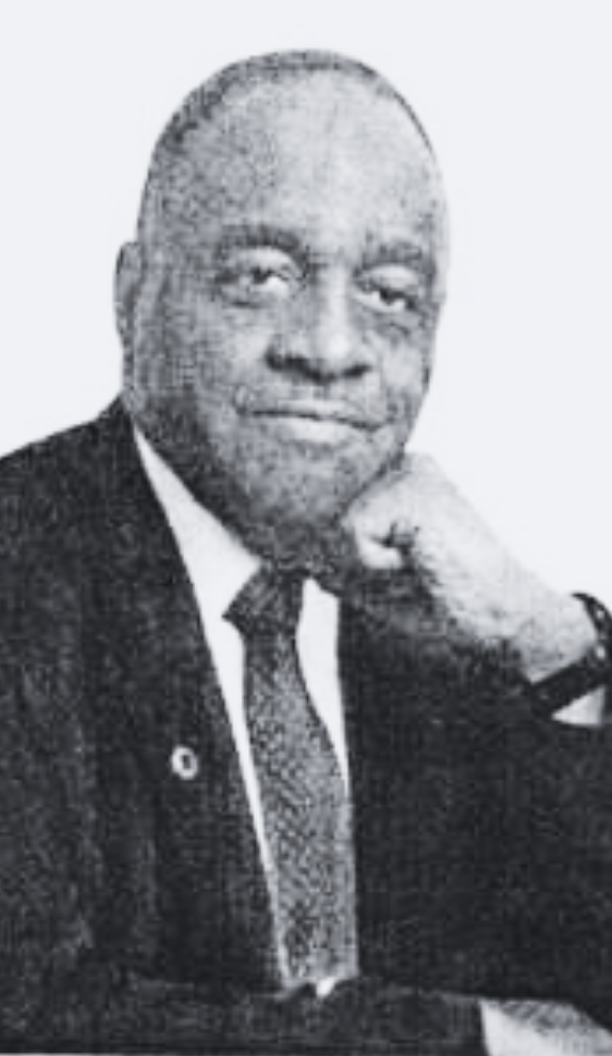
The steel mills weren't kind to workers in the 1940s, especially not to Black and female workers who were often mistreated and were banned from joining the labor unions that were fighting to improve the lives of white workers.
Young, tough, and determined, Korean War veteran Oliver Montgomery (May 31, 1929 - June 6, 2015) wasn't satisfied with that scenario. He worked at the mills as an industrial bricklayer while attending college. In 1948, he joined USW Local 2163, which became USW Local 1462 after a wildcat strike in 1950.
Two decades before the Civil Rights Act, he became a leader for black and women workers at the Youngstown Sheet and Tube Company. Montgomery started as a shop steward, then grievance chairman and job evaluation chairman. He rose through the union ranks to become Secretary of the Civil Rights Committee, graduate union counselor, local union officer and central labor body officer. Al the while, Montgomery was a leader who pushed to get equal pay for equal work. He founded the Youngstown Sheet &Tube Credit Union, where he served as vice president until he was hired by the United Steelworkers International headquarters in 1969, becoming one of the first Black individuals on the Steelworker staff.
Montgomery served as a research analyst and financial analyst for the International for 24 years before being named head of the union's retiree department in 1994. Montgomery's labor career included so much more than his contribution to the Steelworkers. He became one of the most influential leaders in the movement, particularly in civil and human rights.
He worked with Cesar Chavez, A. Philip Randolph, and Martin Luther King Jr. - organizing grape and lettuce boycotts for the United Farm Workers, serving the Negro American Labor Council as an organizer, national vice president and national secretary and marching on Washington. In 1972, he helped found the Coalition of Black Trade Unionists (BTU), where he served as an executive council member and president of the Pittsburgh chapter.
in 1977, Montgomery ran for USW vice president, joining forces with union presidential candidate Ed Sadlowski. Their candidacy was unsuccessful, but it challenged decades of company-union policies and helped strengthen the Steelworkers, which is currently the largest North American industrial union, more than 1.4 million members strong. In 1999, the AFL-CIO invited him to attend the "Conference on Enhancing the Trade Union Role in Social Security Systems in English Speaking African Countries" sponsored by the International Confederation of Free Trade Unions (ICFTU) African Regional Organization in Kenya.
In March 1999, Mr. Montgomery retired from the USW as national director of the Steelworkers Organization of Active Retirees (SOAR), but he remained an active leader in the labor movement and a mentor and inspiration for many labor activists until his death in June of 2015.
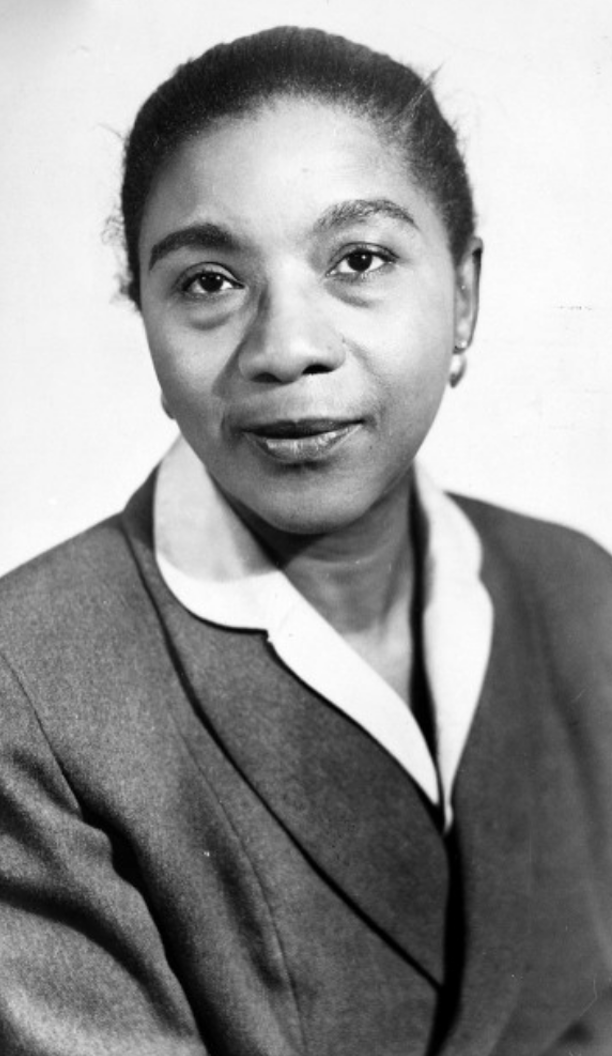
Born in Panama in 1910, Maida Springer-Kemp moved to New York City when she was 7 years old. Hard work was no stranger to Springer-Kemp, who began working in the garment industry as a pinker, hand finisher, and sewing machine operator during the great depression.
Union activism also quickly became part of her life. She joined the International Ladies' Garment Workers' Union Local 22 in 1933 and met a man who would become a close friend and lifelong mentor, A. Philip Randolph. Springer-Kemp's union career was difference- making and groundbreaking.
She was involved in efforts to educate workers around the world, participated in the Civil Rights movement and advocated for the rights of women everywhere. She was instrumental in creating an international labor program at Harvard University and established needlework training schools in East Africa.
Before all this, Springer-Kemp was a rank-and-file member of ILGWU Local 22, where she served as a shop representative before rising to the executive board and the education committee. As Springer-Kemp grew, so did her role in the trade union movement. From 1942 to 1945, she was Education Director of Local 132 of t h e Plastic Button and Novelty Workers' Union. She ran to represent Harlem in the New York State Assembly on the American Labor Party ticket in 1942.
In 1945, Springer-Kemp became the first black woman to represent the AFL abroad, serving as its delegate on a trip sponsored by the Office of War Information to observe wartime conditions for workers in Great Britain. That same year, she went to work for the Dress Joint Board. Three years later, she became the business agent, a position she held for 13 years.
By the 1950's, her national profile was growing, particularly because of her work overseas. She became the first black woman to represent the U.S. union movement internationally, going to Asia, Africa, and Latin America as an AFL-CIO international representative. In Africa, where she organized workers and helped develop worker training, she was known as "Mama Maida."
In 1966, Springer-Kemp returned to garment workers' union, now UNITE HERE, as a general organizer. Later, she worked with the A. Philip Randolph Institute.
Springer-Kemp, who was married twice, died in March 2005 at age 94. She had one son, Eric, and two grandchildren. In her honor, her union established the Maida Springer-Kemp Fund. Through the AFL-CIO's Solidarity Center, the fund supports East African needlework schools, provides scholarships for workers' children, and gives women financial aid to start home businesses.